.png?v=transparent-20260808)
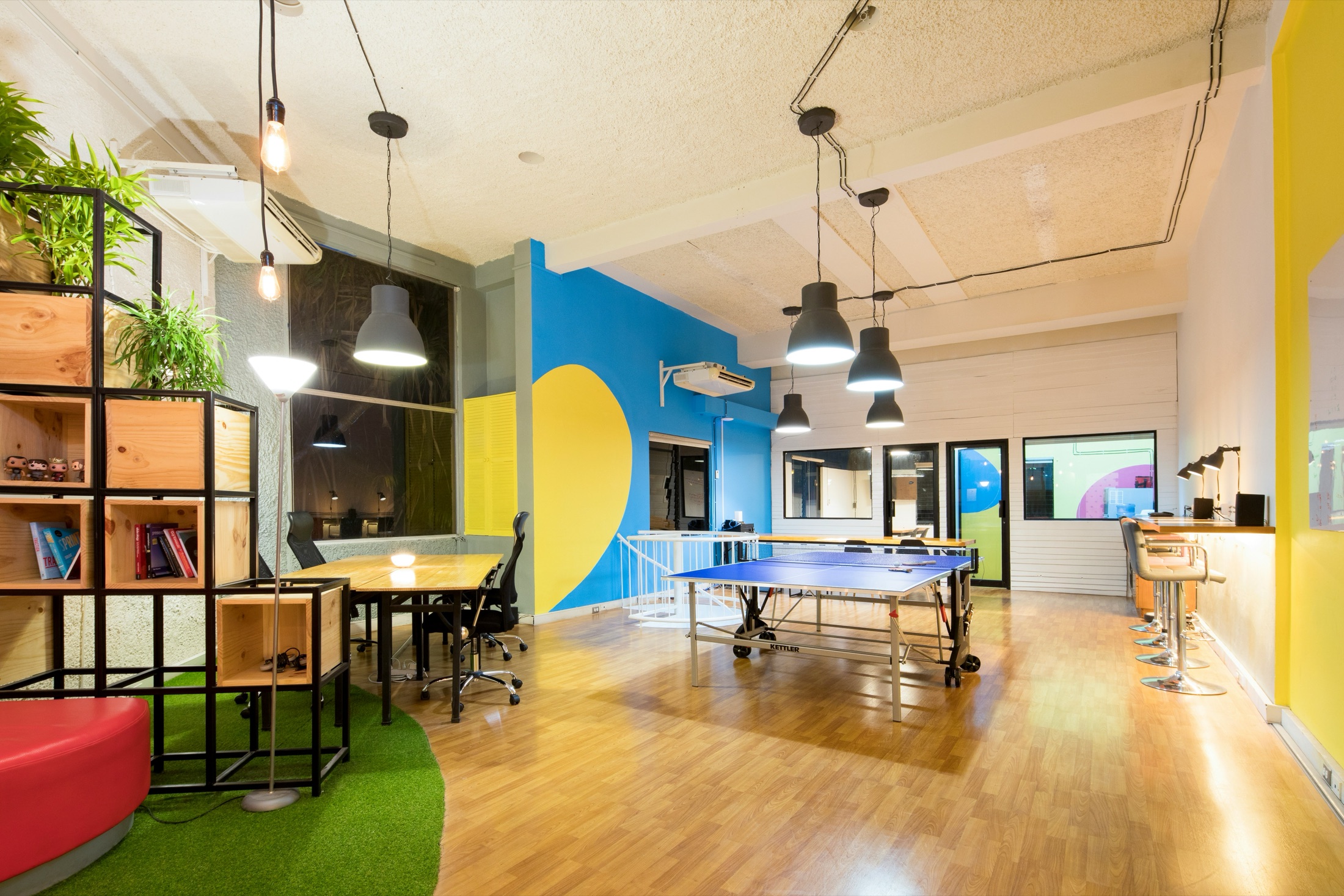
Office design has changed. Today’s best workspaces balance collaboration, concentration, flexibility, and a strong sense of identity. Paint is one of the most efficient ways to create that balance because it shapes how a room feels before a single desk or screen is added.
Start with the way each space is used
A productive office color plan begins with function. Quiet work areas benefit from calm, low-saturation colors such as soft blue, misty green, warm gray, or muted clay. These colors add character without demanding attention. Collaborative zones can carry more energy through richer accents, brighter neutrals, or a confident brand color.
Reception areas serve a different purpose. They should feel welcoming and communicate credibility. A warm white paired with one memorable accent wall often gives visitors a clear first impression without making the space feel overly designed.
Use color to reinforce your brand
Brand colors can be powerful in a commercial interior, but they do not need to cover every wall. A saturated logo color may work best behind reception, in a meeting room, or along a wayfinding feature. Supporting colors can be drawn from the same palette at softer intensities.
This approach creates a branded office that feels intentional rather than promotional. It also makes future updates easier because the primary wall colors remain versatile.
Consider lighting before choosing office paint
Natural and artificial light can change paint dramatically. North-facing rooms tend to make colors appear cooler. Warm LED lighting may bring out yellow or red undertones. Large open offices often have several lighting conditions in one continuous space.
Always test large paint samples on more than one wall. Review them in the morning, afternoon, and evening. For commercial projects, sample boards can be moved between offices and conference rooms before the final decision is made.
Choose durable finishes for busy workplaces
Modern office painting is not only about color. Corridors, break rooms, conference rooms, and shared work areas need coatings that can handle frequent cleaning and daily contact. Washable eggshell or satin finishes are practical for many high-use walls. Flat finishes can reduce glare in low-traffic areas and on ceilings.
Careful surface preparation matters just as much as the finish. Repairs, sanding, priming, and clean cut lines give the final space a professional appearance that reflects well on the business.
A better office starts with a clear color plan
The strongest modern office spaces use color with purpose. They create visual energy where teams gather, calm where people focus, and consistency where clients interact with the brand. A professional commercial painter can help translate those goals into a durable palette that works across the entire workplace.